New Albany Planning
New Albany, Ohio
*completed with former firm
The highlighted planning documents below are a sampling of New Albany’s past, present, and future developmental intentions. Using community engagement, surveys, focus groups, and round tables, these documents have led to educated implementations regarding land use, city zoning code, and, eventually, built works. Adhering to this top-down strategy ensures public capital improvement initiatives and privately-developed projects ultimately align with the city's vision. Karla served as the city’s landscape architect from 2011-2022. During this time, she served as the lead landscape architect for New Albany planning initiatives.
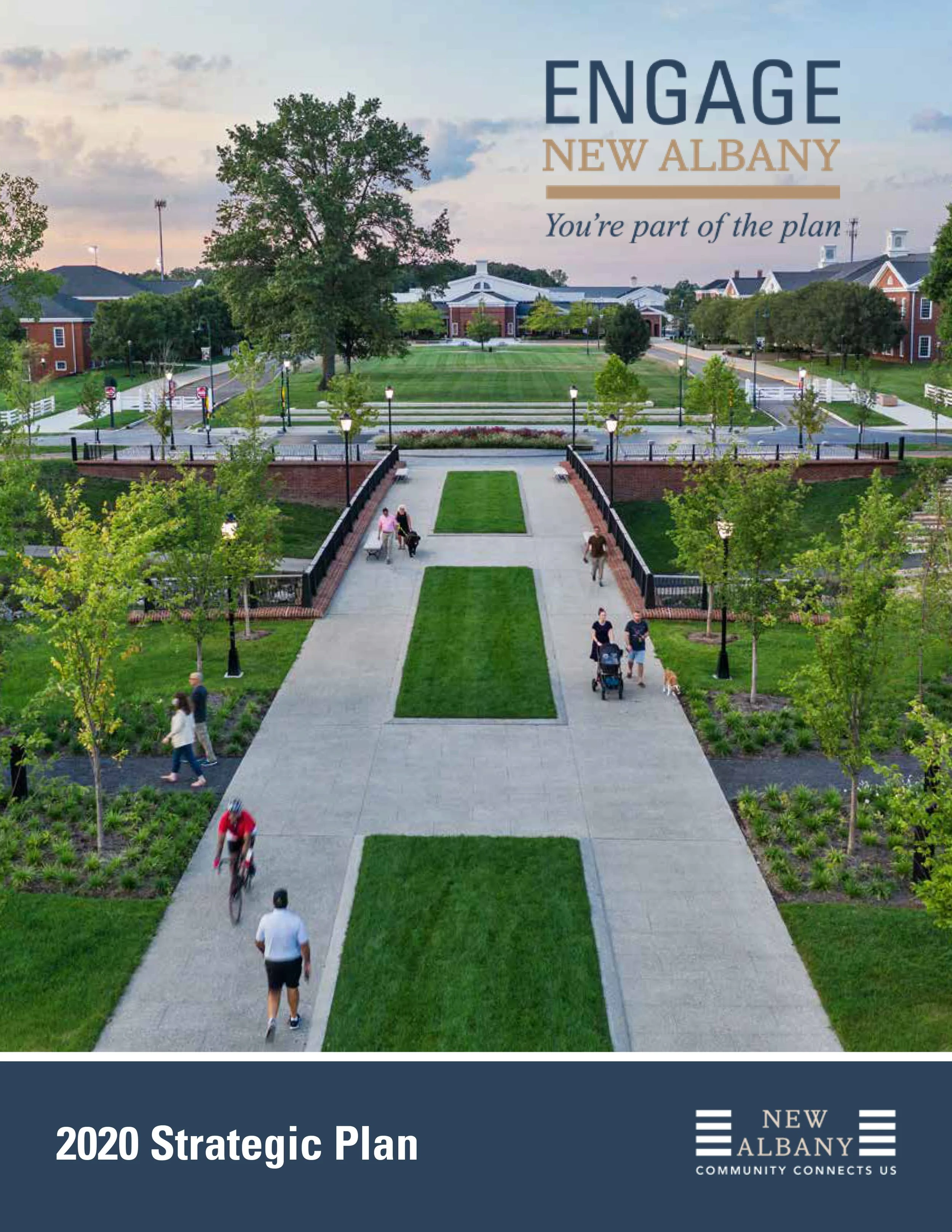
Engage New Albany: Strategic Plan
New Albany has been building on a citywide strategic planning process since 1998. The most recent update incorporated input from more than 1,300 residents and added new chapters on sustainability, parks and recreation, and community wellbeing. The plan was formally approved by City Council in March 2021.
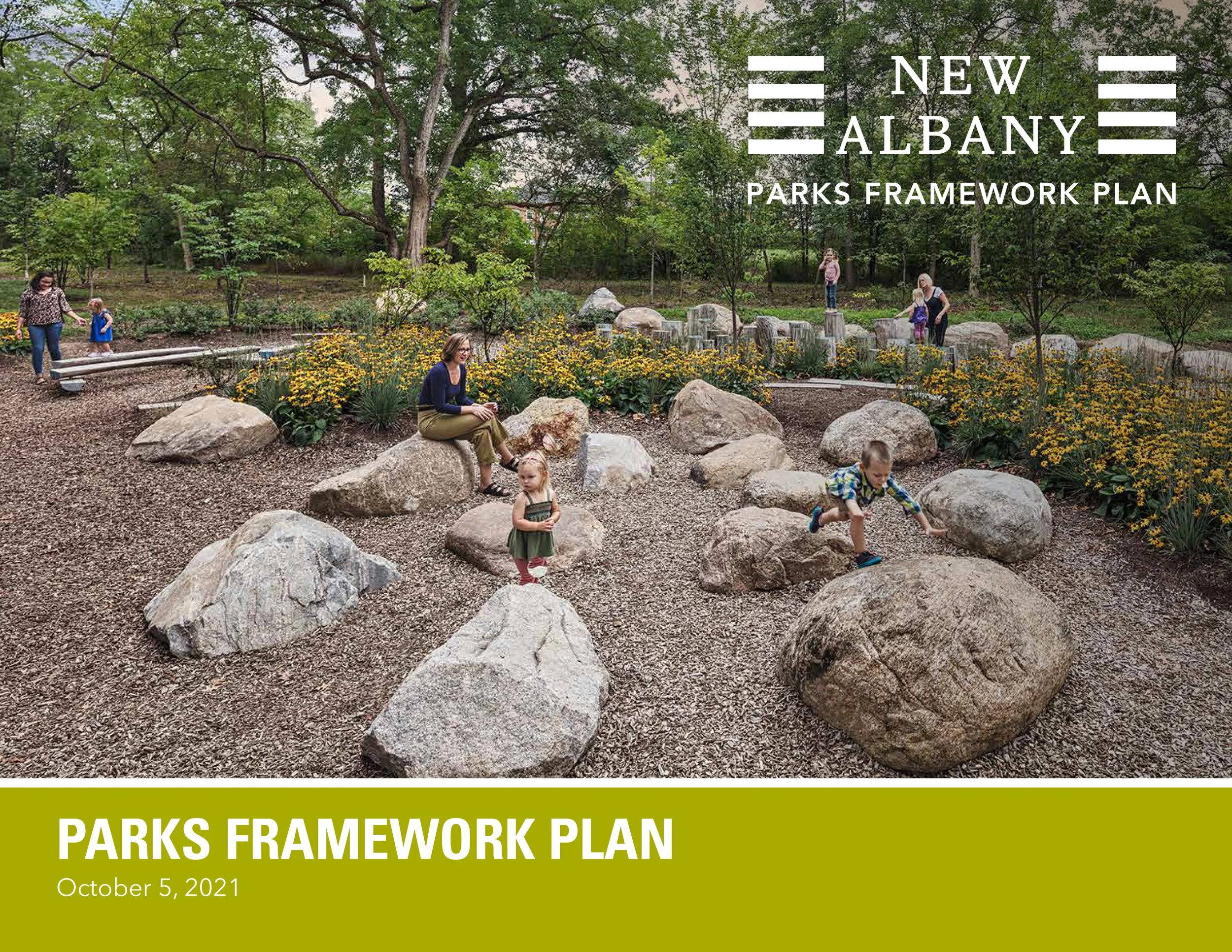
New Albany Parks Framework Plan
The Engage New Albany Strategic Plan discovered residents desired additions and upgrades to the parks system. An in-depth assessment of existing parks, tailored focus groups, digital and mail-in community surveys, and benchmarks and best practices, were used to develop this document. The process, analysis, project recommendations, and phasing provides a blueprint for future New Albany Parks and Recreation initiatives.
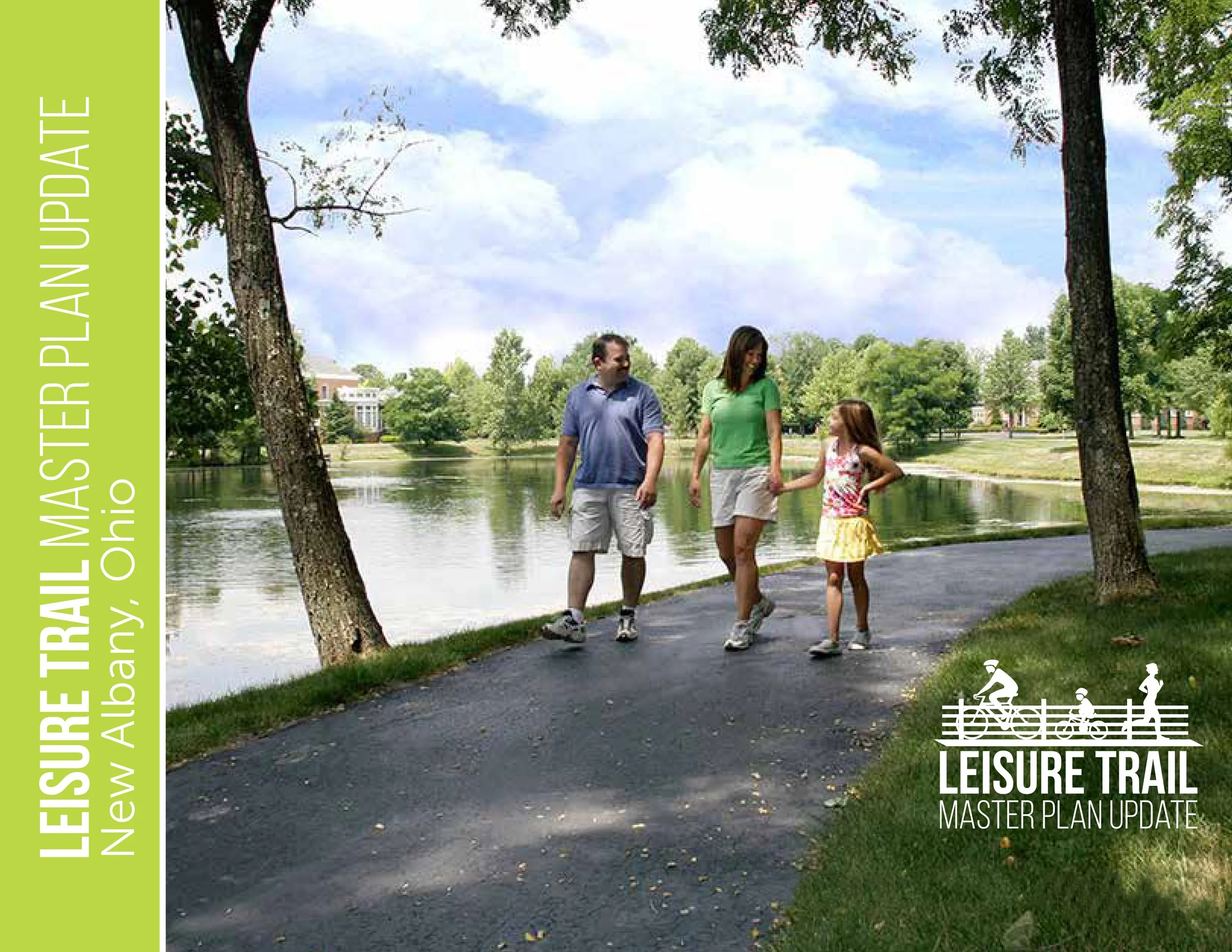
Leisure Trail Master Plan
New Albany’s leisure trail network spans over 85 miles of multi-use paths. The Leisure Trail Master Plan is designed to eventually provide approximately 87% of residents live within a 10-minute walk to a park or trail connection. Guided by this plan and funded through capital improvements, grants, and developer requirements, 2-3 miles of new trail segments are added each year.
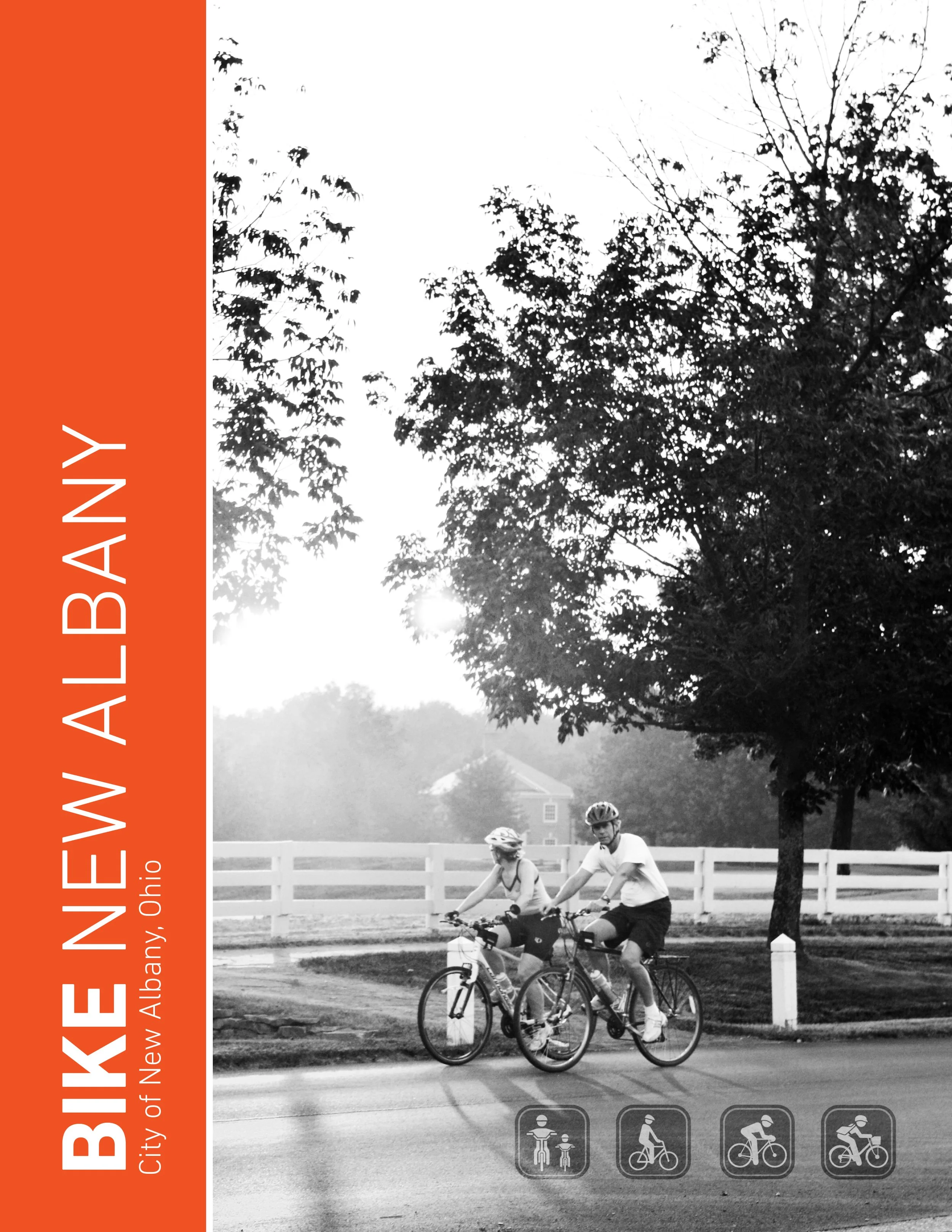
Bike New Albany
This comprehensive plan integrates cycling infrastructure, design, education, and policy to guide the city as new and existing leisure trails are formed and connected. Key recommendations include featured bike hubs, connectors, sharrows, protected lanes, shared roadways, and loops.